
Discover how solar ventilation fans work in sheds, greenhouses, barns, cabins, RVs, warehouses and more commercial & residential scenarios.
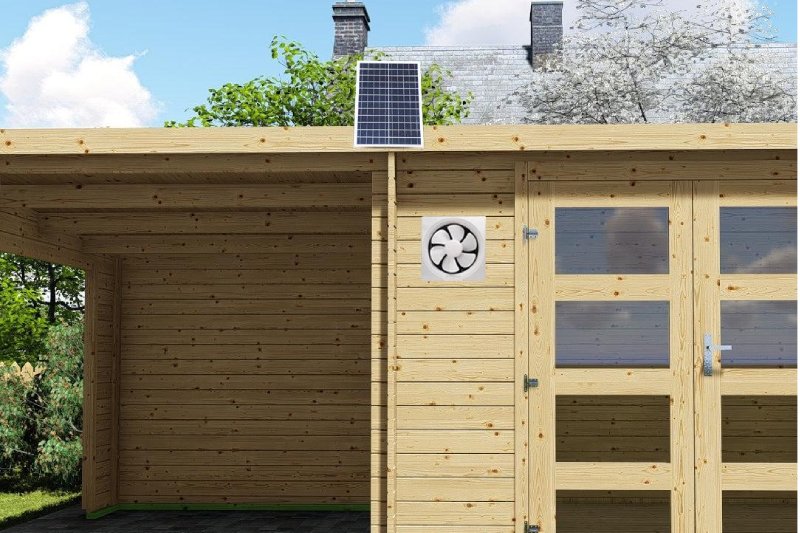
Shed & Outdoor Building
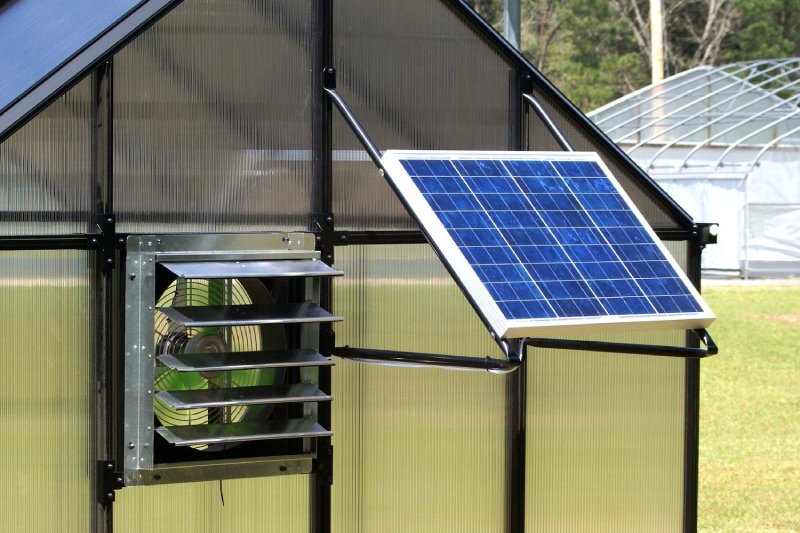
Greenhouse Ventilation
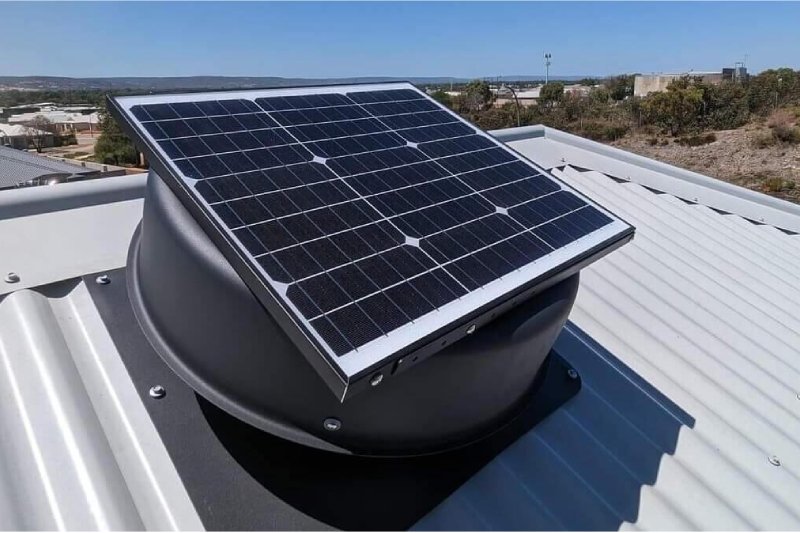
Cabin & Tiny House
Barn & Agricultural Building
A solar ventilation fan uses electricity generated by a photovoltaic panel to move air into, out of, or through an enclosed space. It can be used for ventilation in attics, sheds, greenhouses, cabins, and other suitable applications.
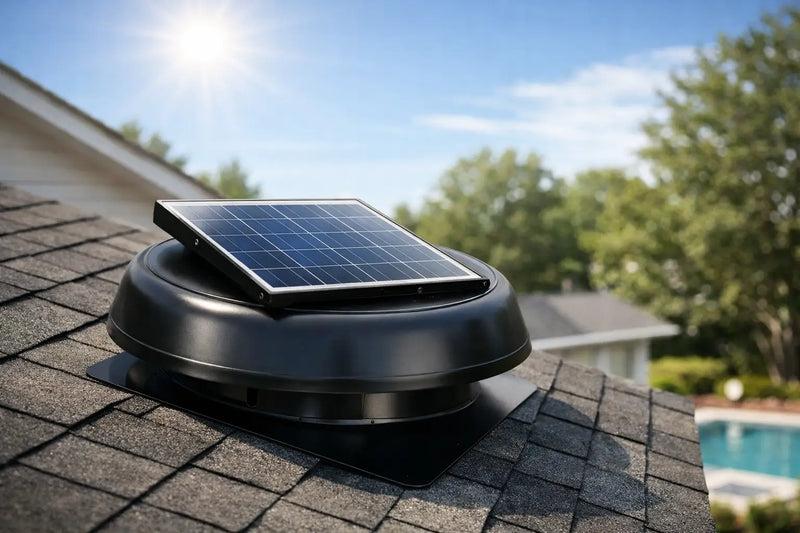
A solar attic fan is specifically designed for attic ventilation. Solar ventilation fan is a broader category that includes roof-mounted fans, wall-mounted fans, exhaust fans, and other solar-powered airflow systems.
Yes. Solar ventilation fans can help remove accumulated heat and improve air circulation in sheds, provided the building has adequate intake openings and the fan is correctly sized.
Yes, but greenhouse ventilation must be sized according to crop requirements, solar heat gain, climate, and the desired temperature and humidity conditions. Solar-powered fans may be combined with intake louvers, shading, and other climate-control systems.
They may be used to supplement ventilation in chicken coops, helping move heat, humidity, and odors out of the enclosure. However, poultry housing requires sufficient continuous ventilation, so a sunlight-only fan should not be the sole ventilation source when animal health depends on uninterrupted airflow.
Solar ventilation fans may be used in barns as part of a larger ventilation strategy. Livestock ventilation requirements depend on animal density, moisture generation, temperature, and air quality.
Yes, for suitable applications. Large warehouses generally require a professional ventilation assessment because building volume, heat loads, industrial processes, and code requirements can exceed the capabilities of small solar fans.
Solar fans may provide general ventilation in some garages. They must not be treated as a substitute for code-required exhaust systems, particularly where vehicle exhaust, fuel vapors, or hazardous substances may be present.
Yes. Compact solar ventilation systems may be suitable for Tiny Houses, depending on the building envelope, airflow needs, noise limits, available mounting space, and power configuration.
Yes, if the fan is specifically designed or approved for vehicle installation. RV applications require attention to vibration, water sealing, road movement, electrical compatibility, and ventilation during low-sunlight periods.
They can help ventilate modified shipping containers used for appropriate storage or building applications. The system must be designed around the container's heat load, intake openings, moisture conditions, and structural modifications.
Yes. Solar ventilation fans can provide daytime airflow in off-grid cabins or small buildings. Overnight ventilation requires an appropriate backup power solution or another suitable ventilation method.
Exhaust ventilation may help dilute and remove certain odors by replacing indoor air with outdoor air. Effectiveness depends on airflow, odor source, intake locations, and whether additional filtration or source control is needed.
They may help under suitable environmental conditions, but condensation control also requires insulation, air sealing, vapor management, and eliminating moisture sources. Ventilation is not always effective when outdoor air has high moisture content.
Yes. Solar-powered fans can be useful where grid electricity is unavailable. System design should account for local solar resources, required operating hours, battery storage if needed, and environmental exposure.
Contact SUNUW for customized solar ventilation solutions for any commercial or residential space.
Contact Us
 william@sunuw.com
 +86 0574 8733 9116
 NO.10 Haitao Way, Yuyao, Ningbo, Zhejiang, China, 315000
Copyright © 2026 SUNUW All Rights Reserved. Designed & SEO by followala.cn Sitemap | XML