

A solar attic fan is a ventilation device powered by solar energy that helps remove hot and humid air from an attic. It typically uses a photovoltaic solar panel to generate electricity for a DC motor, allowing the fan to operate without drawing electricity from the utility grid during solar-powered operation.
A solar attic fan converts sunlight into electricity through a solar panel. The electricity powers a motor that drives the fan blades, exhausting hot attic air outdoors. With adequate intake ventilation, fresh outdoor air enters through soffit or other intake vents to replace the exhausted air.
Yes, when properly sized and installed with adequate intake ventilation. Solar attic fans actively remove hot air from the attic space, which can help reduce heat buildup. Actual effectiveness depends on attic design, intake vent area, climate, and proper fan sizing relative to attic volume.
A solar attic fan may be a useful addition to a properly designed attic ventilation system, especially where solar-powered exhaust ventilation is desirable. Before installation, homeowners should evaluate existing passive ventilation, insulation, air sealing, climate conditions, and installation costs.
Solar attic fans provide powered attic ventilation using renewable solar energy. Potential benefits include reducing attic heat accumulation, improving air exchange, helping manage moisture, and reducing dependence on grid electricity for fan operation.
Solar attic fans can help remove accumulated hot air and may reduce attic temperatures under suitable conditions. The actual temperature reduction depends on outdoor temperature, roof exposure, airflow capacity, intake ventilation, and attic construction.
It may help reduce heat transfer from the attic under some conditions, but electricity savings are not guaranteed. Inadequate intake vents or ceiling air leaks can cause powered attic fans to draw conditioned air from the living space and potentially increase cooling costs.
A direct solar-powered attic fan generally stops operating when sunlight is insufficient. Models equipped with compatible battery storage or auxiliary power can potentially operate at night.
Solar attic fans may continue operating under cloudy conditions, but reduced solar irradiance typically results in lower motor speed and airflow. Actual performance depends on the solar panel, motor, controller, and weather conditions.
Required airflow depends on attic volume, ventilation openings, climate, and the ventilation design. A basic calculation can estimate airflow from attic volume and target air changes per hour, but this should not replace an assessment of building code requirements and intake ventilation.
The panel must provide voltage, current, and power compatible with the motor and controller. Required panel capacity depends on fan performance, solar conditions, and operating objectives.
Solar attic fans primarily use photovoltaic power, while conventional electric attic fans use grid electricity. Solar models may have variable airflow with sunlight, whereas grid-powered models can operate independently of solar conditions.
Neither is universally better. Passive ventilation requires no motor or electrical power and may be sufficient for many attics. Powered ventilation may offer additional airflow in selected applications but requires careful design to avoid depressurization and energy penalties.
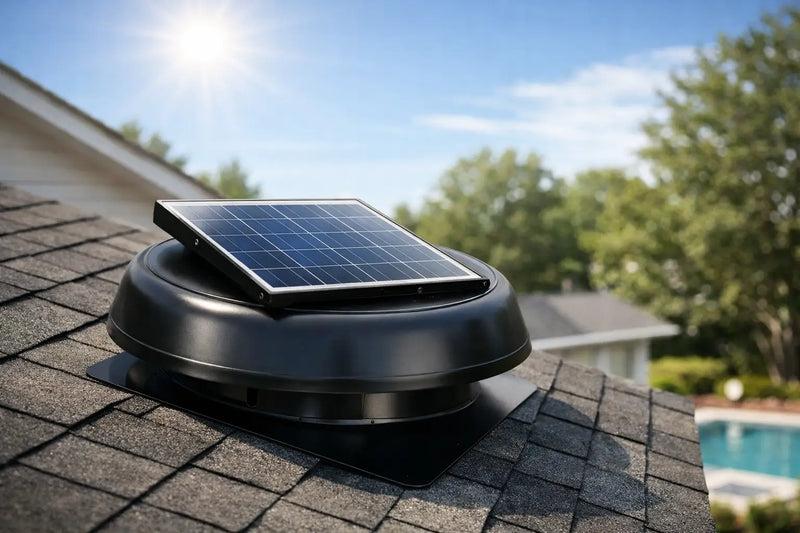
Roof-mounted fans exhaust through a roof opening, while gable-mounted fans exhaust through a vertical gable opening. Selection depends on roof construction, available openings, airflow layout, and installation requirements.
A roof-mounted solar attic fan is generally installed in an appropriate upper section of a vented attic roof, while a gable-mounted model is installed in a suitable gable opening. The location must provide effective exhaust airflow, adequate intake ventilation, weatherproofing, and access for maintenance.
They need adequate replacement-air openings. Soffit vents are commonly used because they introduce outdoor air near the lower part of a vented attic. Without sufficient intake, a powered fan may depressurize the attic and draw conditioned air from the home.
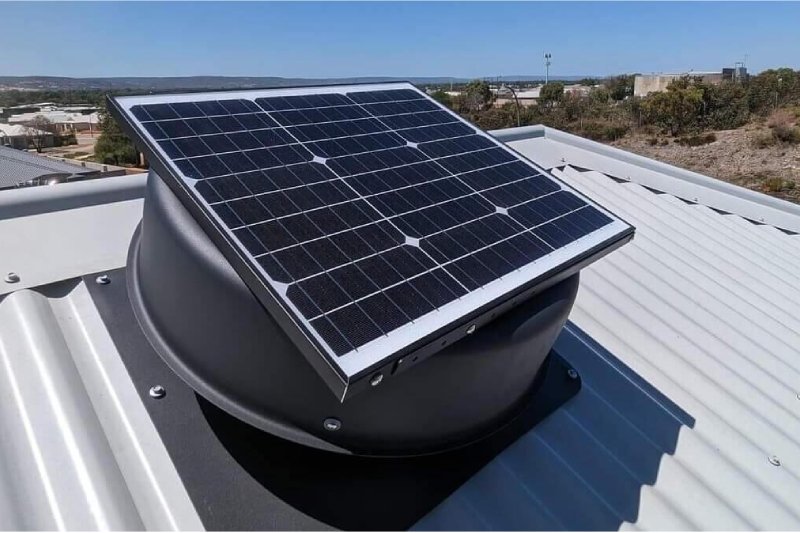
Yes, if the product includes a compatible mounting and flashing system. Special attention should be paid to roof profiles, fastener sealing, corrosion compatibility, and waterproofing.
The number depends on attic size, geometry, compartmentalization, required airflow, intake ventilation, and the selected fan's tested performance. Multiple fans should not be installed solely on the basis of roof area.
Service life depends on motor quality, bearings, solar panel durability, weather exposure, installation, and maintenance. The fan assembly and solar panel may have different expected service lives and warranty periods.
Possible causes include insufficient sunlight, shading, disconnected wiring, damaged solar panels, controller faults, motor problems, or activated temperature controls. Troubleshooting should follow the manufacturer's electrical and safety procedures.
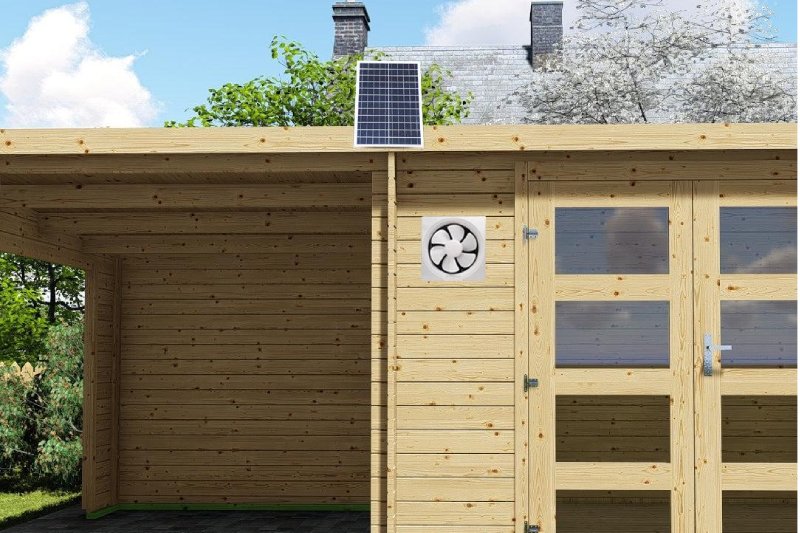
Shed & Outdoor Building
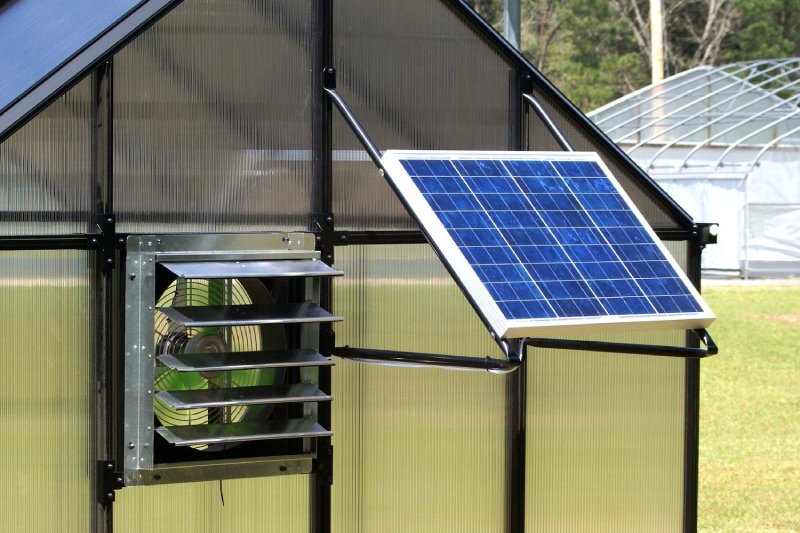
Greenhouse Ventilation
Cabin & Tiny House
Barn & Agricultural Building
Yes. Solar ventilation fans can help remove accumulated heat and improve air circulation in sheds, provided the building has adequate intake openings and the fan is correctly sized.
Yes, but greenhouse ventilation must be sized according to crop requirements, solar heat gain, climate, and the desired temperature and humidity conditions. Solar-powered fans may be combined with intake louvers, shading, and other climate-control systems.
Yes, if the fan is specifically designed or approved for vehicle installation. RV applications require attention to vibration, water sealing, road movement, electrical compatibility, and ventilation during low-sunlight periods.
Consider attic size, roof design, climate, available intake ventilation, solar exposure, airflow requirements, mounting compatibility, motor quality, tested performance, and warranty support.
Roof-mounted fans fit sloped roofs for top exhaust, while gable-mounted units install on vertical end walls. Choose based on your roof structure, available openings and preferred airflow path.
Integrated panels offer compact one-piece installation. Remote panels can be angled independently for maximum sun exposure. Select based on roof orientation and shading conditions.
A solar gable attic fan is an exhaust fan mounted at or near a gable opening and powered by a solar panel, designed to move attic air outdoors through the gable end of a building.
A solar wall-mounted ventilation fan moves air through a wall opening using solar power, configurable for either exhaust or intake ventilation depending on the product design.
A hybrid solar ventilation fan uses solar energy along with an additional power source such as grid electricity or battery storage for extended operation time.
SUNUW can discuss OEM cooperation for solar attic fan projects, including private labeling, packaging, and selected product configurations, subject to technical feasibility and order requirements.
Please provide the target product type, quantity, destination market, airflow requirements, solar panel specifications, installation method, branding requirements, and any required testing or certification. Contact SUNUW for a quotation based on your project requirements.
Properly designed and installed solar attic fans can be used safely within their rated operating conditions. Safety depends on electrical protection, secure mounting, weather resistance and mechanical guarding.
Installation may be subject to local building, roofing, electrical, fire, and ventilation requirements. Compliance depends on the jurisdiction, building type, and product configuration.
Net free ventilation area is the effective open area available for airflow through a vent after accounting for screens, louvers, and other obstructions.
Contact SUNUW for OEM, wholesale and application-specific solar fan solutions.
Contact SUNUW
 william@sunuw.com
 +86 0574 8733 9116
 NO.10 Haitao Way, Yuyao, Ningbo, Zhejiang, China, 315000
Copyright © 2026 SUNUW All Rights Reserved. Designed & SEO by followala.cn Sitemap | XML