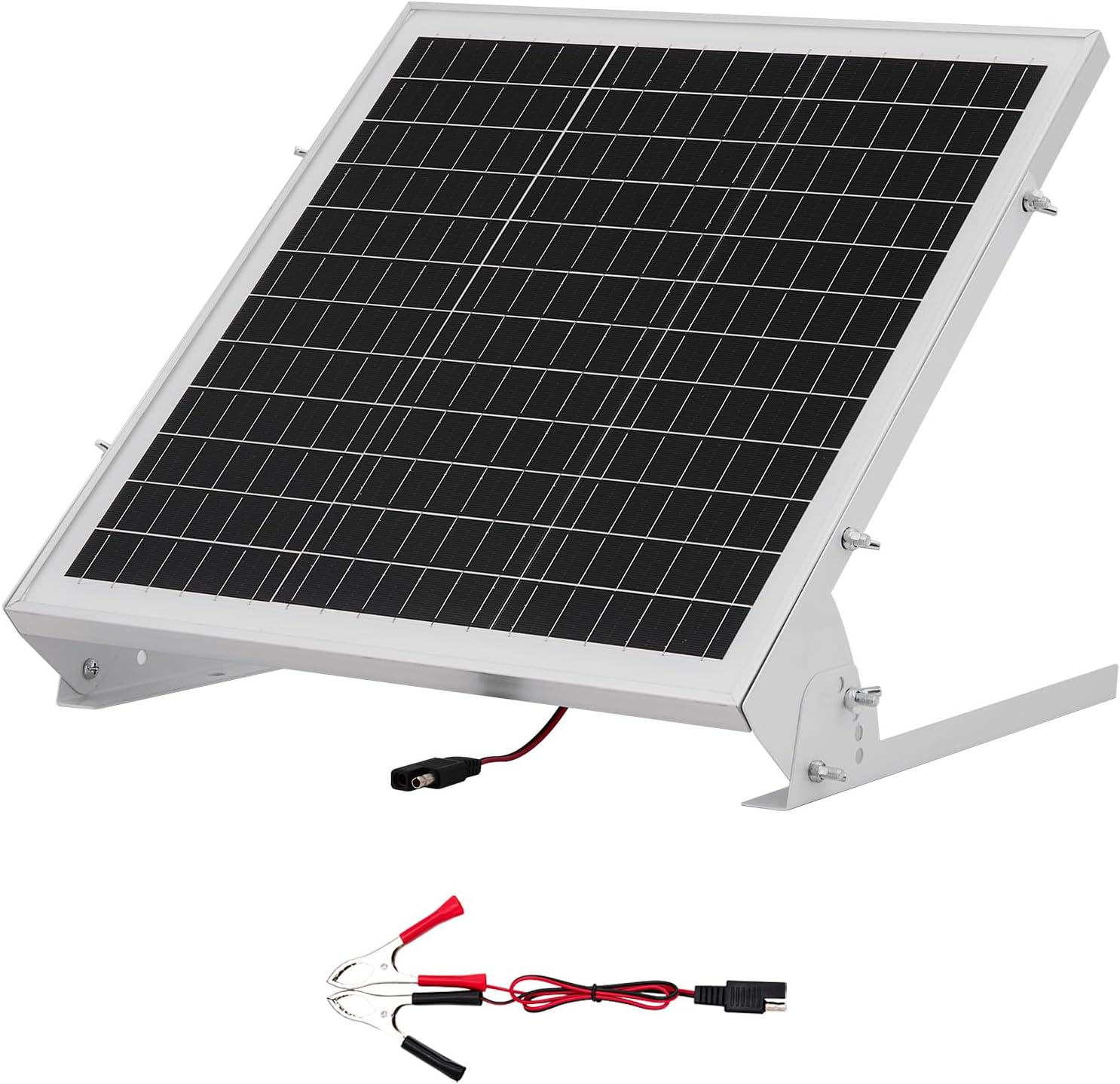
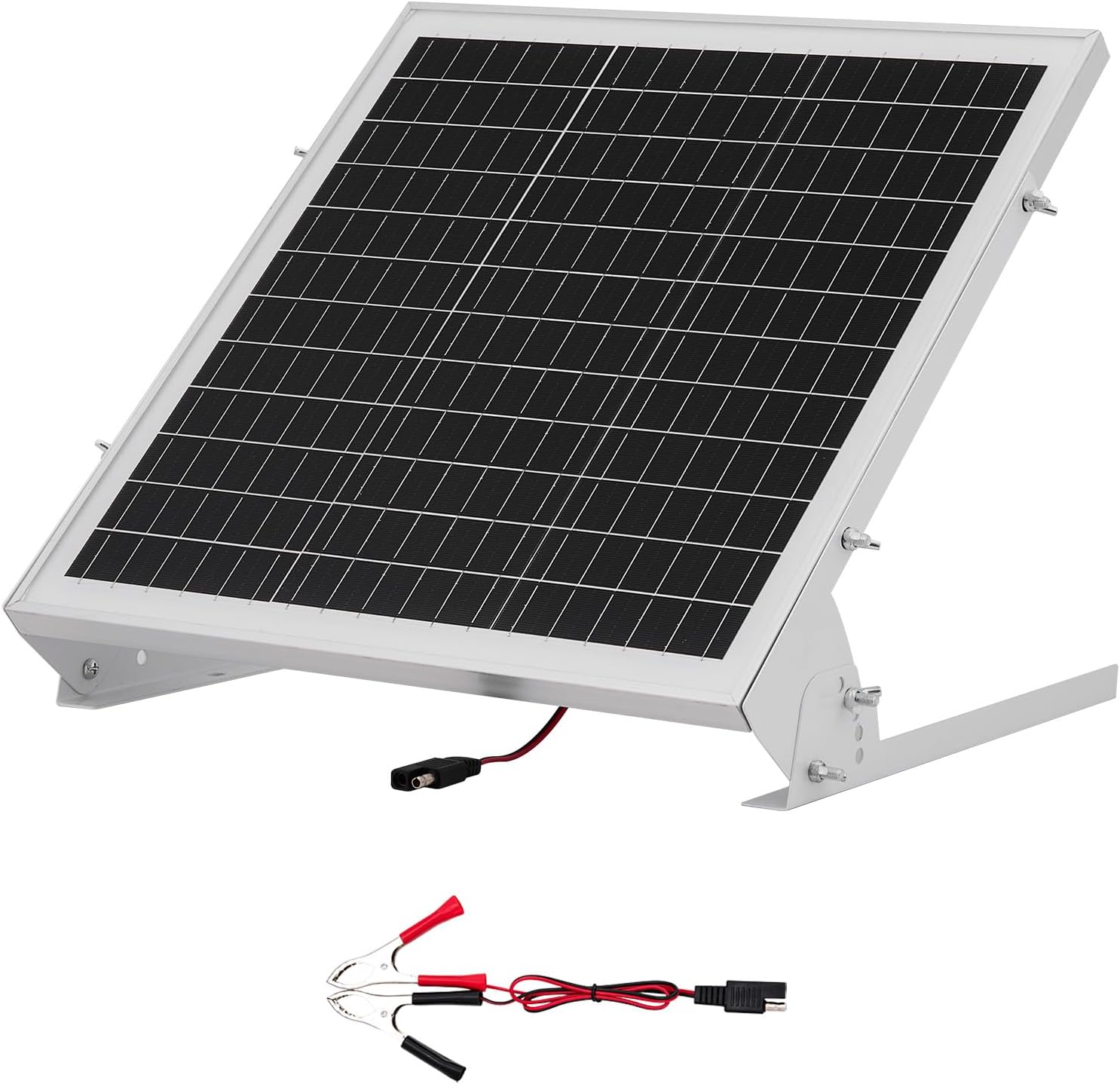
External solar panel for attic fan
An external monocrystalline panel can be mounted on the sunniest part of the roof while the fan sits in the shade, delivering significantly more airflow than an integrated roof panel. SUNUW’s external solar panels ship with an adjustable aluminum bracket, low-voltage output, and a durable extension cable, directly powering or upgrading any standard SUNUW fan. Bulk panel orders are available with custom cable lengths and connector types.
The correct solar panel size depends on the fan motor, controller, and required operating power. Common solar attic fan systems use panels rated at 20W, 30W, 50W, or higher, depending on the design. Buyers should check the panel's rated power, operating voltage, and electrical compatibility rather than choosing by wattage alone.
Yes, if the replacement panel is electrically compatible with the fan system. A higher-wattage panel may improve available power under certain conditions, but it will not necessarily increase fan speed or airflow. Before upgrading, confirm the panel's voltage, current, connector type, polarity, and the controller's maximum input ratings
No. Solar panels must match the electrical requirements of the fan and its controller. Important specifications include maximum power voltage (Vmp), open-circuit voltage (Voc), operating current (Imp), and short-circuit current (Isc). Connector compatibility and cable polarity also matter. SUNUW can help buyers identify suitable panel configurations for compatible ventilation systems
Install the solar panel in a location with good sunlight exposure and minimal shading throughout the day. Roof-mounted installations are common, but other suitable outdoor locations may work depending on the mounting system. Panel orientation and tilt should be selected for local solar conditions. Avoid placing panels beneath trees, roof overhangs, or other obstructions.
The maximum practical cable length depends on system voltage, current, wire size, and acceptable voltage drop. Longer cables may reduce the power reaching the fan, especially in low-voltage DC systems. Installers should use appropriately sized outdoor-rated cables and compatible connectors. Always check the fan manufacturer's recommended cable length before extending the wiring.
Solar panels can still generate electricity under cloudy conditions, but their output is usually lower than in direct sunlight. As a result, a direct-solar fan may run more slowly or stop when available power is insufficient. For applications requiring more consistent ventilation, a compatible hybrid power system or battery-backed solution may be considered.
External solar panels are designed for outdoor applications when properly specified and installed. Buyers should check the panel construction, junction box protection, cable durability, corrosion resistance, and relevant environmental test standards. Regular cleaning and inspection help maintain performance. Actual weather resistance and warranty coverage depend on the panel model
SUNUW supports OEM and ODM cooperation for solar ventilation equipment manufacturers, importers, distributors, and engineering contractors. Depending on the model and order requirements, customization may include panel wattage, dimensions, mounting brackets, cable length, connectors, branding, and packaging. Contact SUNUW for technical specifications, compatibility support, MOQ, samples, and bulk pricing.
Still have questions?
Request a product catalog, technical specifications, sample information, or an OEM/ODM quotation.

 william@sunuw.com
 +86 0574 8733 9116
 NO.10 Haitao Way, Yuyao, Ningbo, Zhejiang, China, 315000
Copyright © 2026 SUNUW All Rights Reserved. Designed & SEO by followala.cn Sitemap | XML