
On an average summer day, the heat that has built up in home’s attic space can be considered extreme heat. A seemingly normal outside temperature of 80°F or 27°C will make the attic temperatures as high as 120°F or 49°C. On even hotter summer days, attic temperatures can reach far higher.
Extreme heat in the attic can cause your roof’s shingles to deteriorate faster than normal. This happens because the shingles are being “cooked” from the inside as well as being baked by the sun. Easy to spot signs of heat and sun damage include cracked, decaying or curling of the shingles. A cool and well ventilated attic will help reduce extreme heat buildup in your attic, and help your shingles last as long as they are designed to.
Solar powered vents have been shown to reduce heat in the attic significantly, prevent extreme heat spikes and keep the temperature inside the attic closer to the ambient temperature.
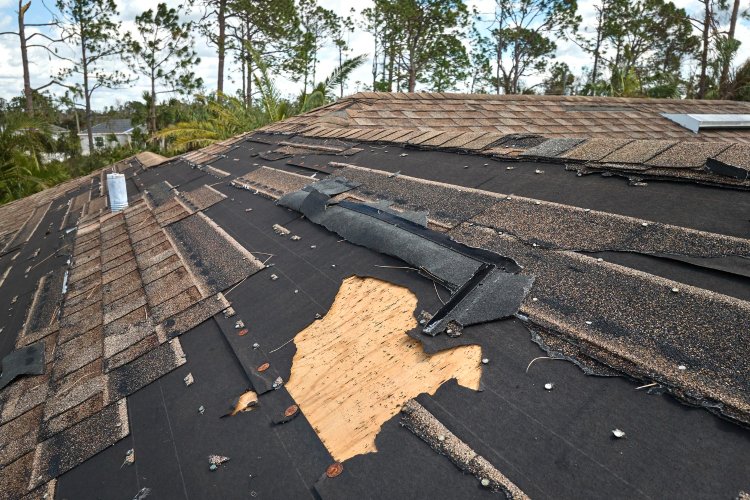
It is one of the most effective Solar attic fan benefits to avoid condensation and moisture accumulation in your attic to keep the temperature of the space constant throughout the year. While no property is completely immune to the effects of attic moisture buildup, newer homes are at the greatest danger. Advanced insulation materials used in contemporary houses keep cold, dry outer air out of the attic, allowing the inside to retain surplus moisture that would otherwise evaporate. Mold, rot, and mildew may develop as a result of the accumulation of moisture and condensation in the environment. A solar attic fan keeps condensation at bay by constantly exchanging warm, wet air from within your attic with cold, drier air from the exterior of your house, which helps to keep your home cooler and drier.

In the winter, warm air from the living area below rises from inside the house into the attic space, where it comes into touch with the roof, which is much lower in temperature than the living space below. As hot air cools on contact with your roof, it condenses, causing rot, mildew, and mold to form. These conditions may cause significant damage to your roof, as well as insulation problems and aesthetic concerns with the finish of your house. In addition to exhausting hot, damp air from your attic, a solar attic fan also introduces cold, drier air into the room. This exchange prevents condensation from accumulating and keeps your attic dry, which helps to prevent the growth of mildew, and fungus in your home.
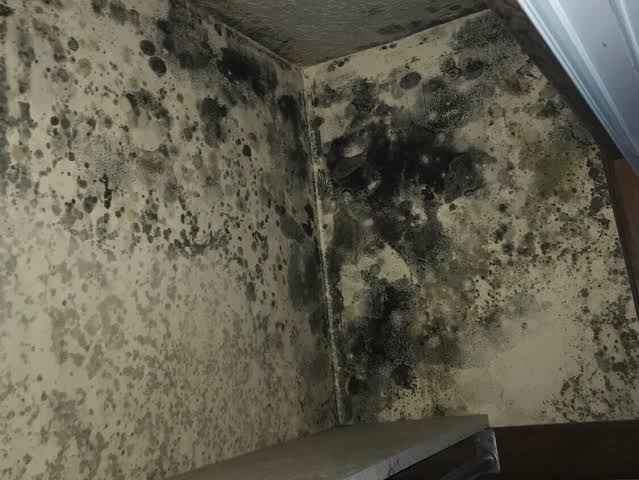
Water damage is the most typical cause of black mold. It can be the ideal habitat for black mold to thrive if water seeps into your house and remains there for a long time. Black mold development may also be influenced by poor ventilation. Lack of fresh air will result in increased humidity in your home, which will be ideal for the growth of black mold. In order to stop black mold from forming, it’s critical to remedy any plumbing or roof leaks as soon as possible.
Depending on the species, black mold can have a variety of appearances, but it typically takes the form of a sticky film that is either black, dark brown, or greenish-black and thrives on organic waste. It frequently occurs in moist, dark locations like crawlspaces, bathrooms, and basements. It’s simple to mix up black mold with other mold species that you might find in your house.
In the winter, warm air from the living area below rises from inside the house into the attic space, where it comes into touch with the roof, which is much lower in temperature than the living space below. As hot air cools on contact with your roof, it condenses, causing rot, mildew, and mold to form. These conditions may cause significant damage to your roof, as well as insulation problems and aesthetic concerns with the finish of your house. In addition to exhausting hot, damp air from your attic, a solar attic fan also introduces cold, drier air into the room. This exchange prevents condensation from accumulating and keeps your attic dry, which helps to prevent the growth of rot, mildew, and fungus in your home.
In addition to mold, mildew, and decay, the accumulation of moisture in your attic may result in another potentially dangerous problem: ice dams. Icing dams form when warm inside air rises to the roof’s peak and melts the snow on the roof, causing the snow to flow down to the eaves and gutters. The snow refreezes and builds into a clump of ice, which stops the water from draining correctly. The water that backs up behind the dam may seep through the shingles and cause damage to the roof structure, walls, ceilings, and insulation, among other things. As you ventilate your attic with a solar attic fan, you can minimize the formation of ice dams, which may save you money on expensive repairs when the weather becomes warmer.
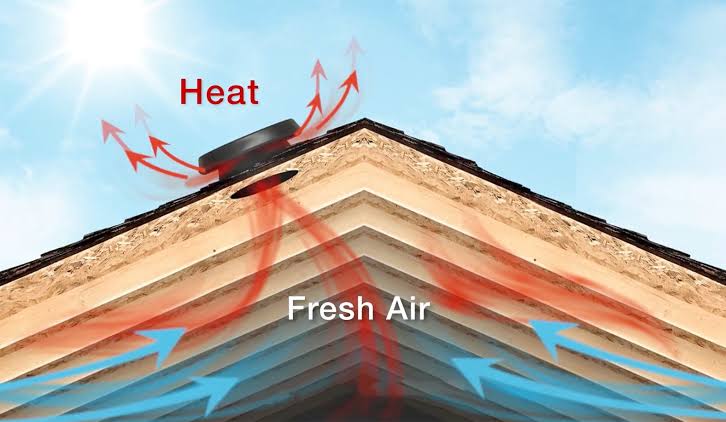
In basic terms a solar attic fan sits on a high point of your roof and is powered by its own individual solar panel. The solar panel provides power, starts the fan and the humid and hot air is withdrawn from the attic. Cooler air from the outside is ducted in through vents and creates a constant flow of air to help regulate and moderate the temperature. Solar attic fans does not need wiring into your households electrical system. They only work when there is enough sun to power them which in the Arizona climate means it will work when you need it!

 william@sunuw.com
 +86 0574 8733 9116
 NO.10 Haitao Way, Yuyao, Ningbo, Zhejiang, China, 315000
Copyright © 2026 SUNUW All Rights Reserved. Designed & SEO by followala.cn Sitemap | XML